

Industrial Construction and Data Centers
Our services for developing and delivering industrial facilities and data centers
Technically demanding industrial buildings and data centers delivered with precision and cost efficiency
Building industrial facilities and data centers requires exceptional technical expertise and the ability to manage complex project entities. Fira delivers these mission-critical projects as a precise and dependable partner – especially when schedules, full control of supply chain, budgets, and technical quality must be fully controlled. Fira has delivered numerous high-demand, technically complex industrial buildings for both domestic and international clients. We proactively manage all regulatory and compliance requirements, ensuring your facility meets building codes, environmental standards, and industry certifications from day one
Constructing industrial buildings and data centers is very different from traditional commercial or residential construction. These projects demand a deep understanding of operational needs, technical requirements, and supporting infrastructure. Industrial facilities must withstand heavy process loads, meet durable structural demands, support efficient logistics flows, and accommodate the special conditions required for production – from high ceilings and load-bearing capacity to precise thermal and humidity control.
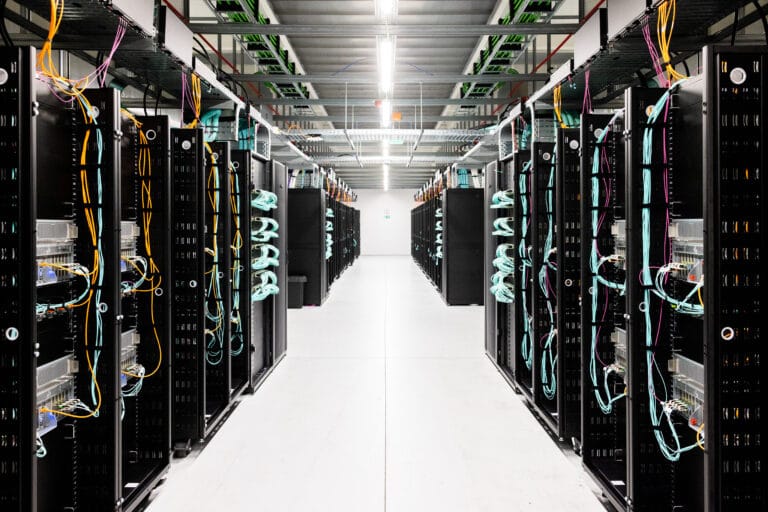
Data centers, in turn, set extremely strict requirements for the performance of critical technical systems. Uninterrupted power supply, multiple redundant cooling solutions, precise temperature and humidity control in server rooms, and strong physical and digital security are essential. Energy efficiency and environmental performance are also central in modern data center construction, as operators aim to reduce their carbon footprint. We are a member of the Finnish Data Center Association.
We deliver industrial production facilities, process buildings, and data centers where demanding technical systems, high reliability requirements, and fast delivery schedules must come together seamlessly. We have experience in challenging projects where heavy process loads, continuous cooling needs, multiple power redundancy systems, advanced MEP solutions, and special operating environments require tight coordination throughout the entire project chain.
news
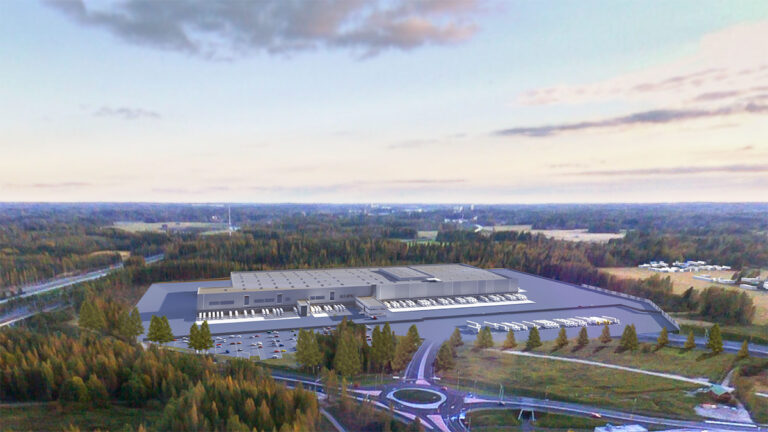
Fira has begun construction of a large-scale data center campus in Lappeenranta, Finland
The project is being developed by Nebius, a company specializing in AI cloud infrastructure. The first phase of the data center is scheduled for completion in 2027. The data center will be located in the Pajarila industrial area of Lappeenranta, south of Highway 6. The campus will comprise several data center buildings and supporting infrastructure across an area of approximately 41 hectares.
Overall customer satisfaction in
commercial construction
completed logistics and industrial projects
of completed space
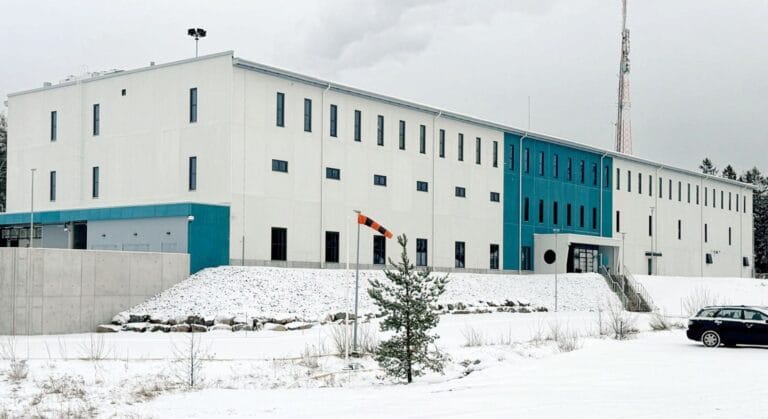
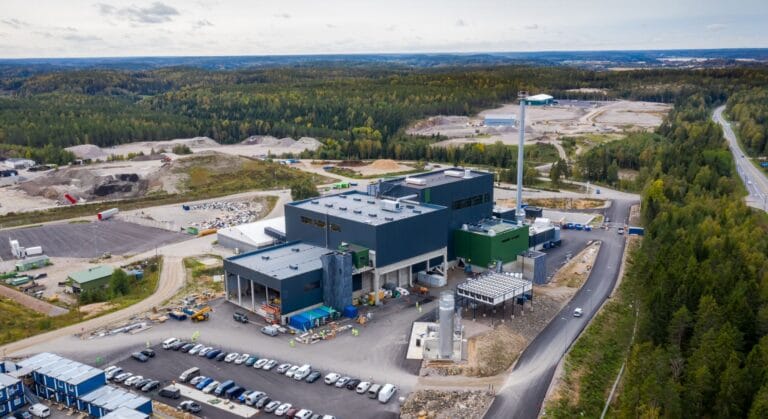

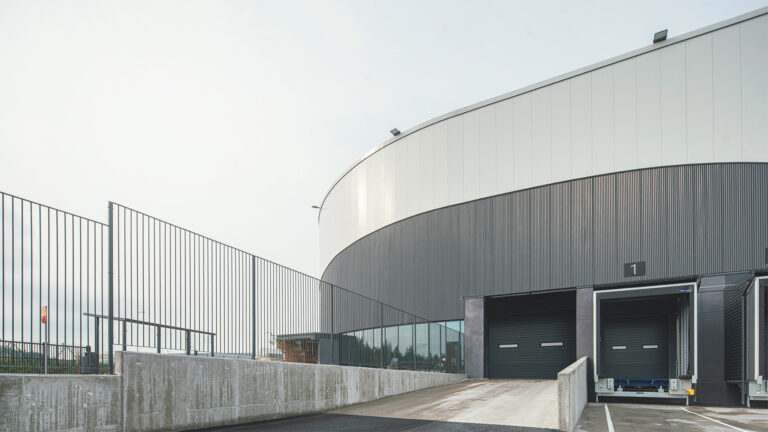
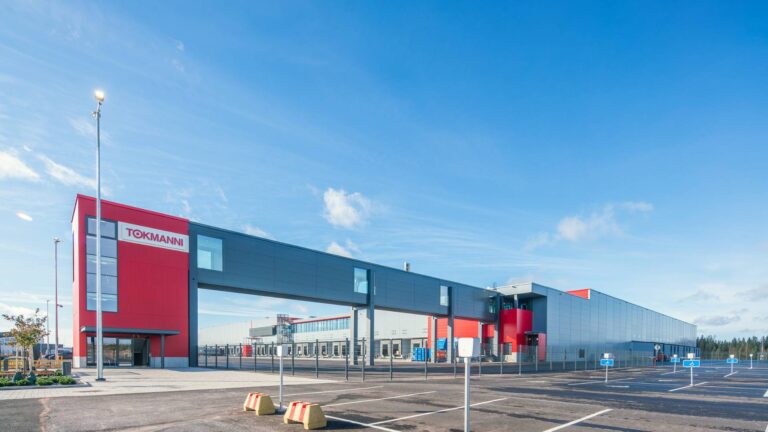
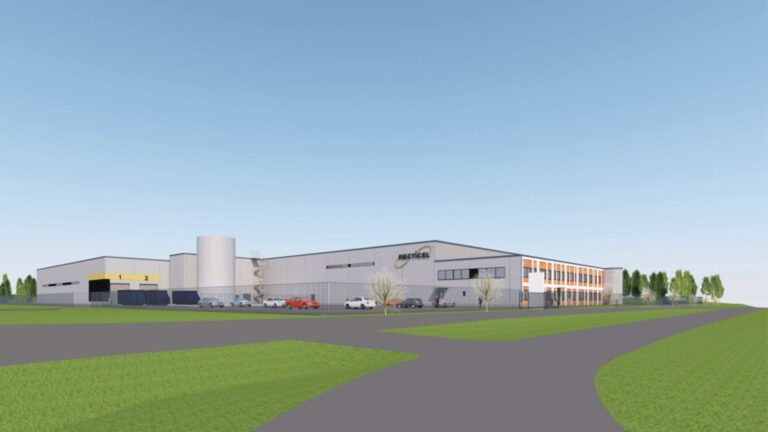
services for every phase of the project
We support you through every phase of the project
We understand that every project is unique and requires tailored solutions. Our approach is comprehensive, covering all stages from early planning to final delivery.
At Fira, “business‑critical” means zero tolerance for errors and quality deviations. We apply strict quality assurance methods throughout every phase of the work. We test and verify the performance of all systems multiple times before commissioning. Everything is documented carefully so that the operations and maintenance teams know exactly how the building and its systems function.
Project planning and solution development
The most important decisions in project development are made long before construction begins.
The project development phase for industrial buildings and data centers forms the foundation for the success of the entire project. This is where the building’s technical features, energy solutions, capacity and scalability are defined – decisions that directly influence both construction costs and long-term operating costs.
In data center projects, key development-phase considerations include server capacity planning, selection of cooling systems, power supply reliability and redundancy, as well as opportunities to utilize waste heat. Industrial buildings require attention to process‑specific needs, smooth logistics flows, floor load capacity, sufficient ceiling heights and future expansion options.
When Fira is involved already during project development, our clients benefit from choices that support constructability. We help avoid costly changes during execution and ensure that design solutions are technically feasible, cost‑efficient and realistic from a scheduling perspective. The best results are achieved when the developer and the builder work together before the first drawings are finalized.
When selecting a location, it is often beneficial to explore several potential sites that support your business needs.
Do you need support in finding a suitable plot?
Building permit process and regulations
We navigate the regulatory requirements on your behalf
The permit process for industrial buildings and data centers is significantly more complex than for standard commercial properties. These projects often involve special building types, heavy floor load capacities, high electrical power demands and advanced technical systems — all of which require careful attention in the permitting phase.
For data centers, key permitting considerations include electrical power availability and grid connection requirements, fire safety design, noise control for cooling equipment and potential district heating connections for waste heat recovery. In industrial buildings, critical issues include environmental permits, safety regulations for work and production processes, requirements related to chemical storage and traffic arrangements caused by heavy transport.
Fira’s strength lies in anticipating permit-related requirements and challenges early in the project. We understand building control practices, fire and rescue authority requirements and local conditions. We help assemble the necessary reports and documentation, manage communication with authorities and ensure the permit process moves forward without unnecessary delays. This saves time and reduces the risk of costly resubmissions or redesign cycles.
When the permitting process is managed professionally from the start, the project can move into construction according to plan — and this often makes the difference of months, or even entire quarters, in the overall project timeline.
Contract and delivery models for your project
Choosing the right delivery model plays a major role in the success of a construction project.
The delivery model defines how the building and related services are procured, and it directly affects how well the project goals can be supported and how risks can be managed. With the wrong model, valuable opportunities to use the contractor’s expertise in design solutions or cost efficiency may be lost.
We work with you to agree on the delivery model that best supports your project.
Design–bid–build (fixed-price contract)
This model suits projects where the plans are complete and the outcome is precisely defined. The client receives a fixed price and a clear schedule, but flexibility for changes is limited.
Construction management / project management contract
This method gives the client more control over costs and allows construction to start before all plans are finalized. It can significantly speed up the overall schedule, especially in large data center and industrial projects where time is a critical factor.
Design–build (turnkey contract)
Design and construction are handled by a single partner. This is an effective choice when you want to use the builder’s expertise already in the design phase and optimize solutions for constructability, cost and schedule.
Alliance model
Ideal for complex and technically demanding projects where close collaboration and shared goals between the client, designers and builder lead to the best outcome. The model supports innovation and solution-oriented work.
We are also familiar with international frameworks such as RIBA, FIDIC and others — and adapt them smoothly into Finnish site practices and documentation.
Fira’s experts help you choose the delivery model that best supports your project goals. We have experience with all major contract models and can tailor the approach to suit your project. We also assist with drafting contracts so that roles, responsibilities and targets are clear to all parties from the very beginning.
Schedule
Every week counts, and every delay is costly
In industrial and data center projects, the schedule is not just a project management tool – it is a critical factor that directly affects business performance. If a production facility is not operational on time or a data center cannot onboard customers as planned, every delayed week means lost revenue, postponed contracts and increasing financing costs.
Schedule certainty starts already in the project development phase. An unrealistic schedule inevitably leads to pressure, quality issues and rising costs. A realistic and well‑planned schedule, on the other hand, gives all parties a clear framework and enables resources to be allocated at the right time.
Fira’s strength is our ability to plan and maintain a reliable schedule. We identify critical paths, manage dependencies between work stages and anticipate known risks. We use modern project management tools and keep the client continuously informed about project progress — not only when problems have already appeared.
In data center and industrial projects, long‑lead items significantly affect the schedule: large power transformers, cooling equipment, process machinery and technical building systems. We anticipate these bottlenecks, order critical equipment early and coordinate deliveries seamlessly with construction progress.
Schedule certainty does not happen by accident — it is the result of systematic planning, experienced project management and the ability to solve issues before they turn into delays.
Budget
Transparency and cost efficiency throughout the entire project
Budgeting for industrial buildings and data centers is one of the most challenging parts of the project. These projects are large and technically complex, and hundreds of factors influence the total cost — from raw material prices and exchange rates to delivery times for specialised equipment and design changes. Without strict budget control, costs can easily escalate.
Fira’s approach to budgeting is built on three principles: realism, transparency and anticipation.
Realism means we do not create overly optimistic cost estimates just to win a project. Our budgets are based on real market prices, known risks and allowances for unforeseen situations. An underestimated budget inevitably leads to problems and conflicts as the project progresses — a realistic, well‑prepared budget builds trust and enables smooth delivery.
Transparency means the client sees and understands exactly how costs are formed. We break down our offer clearly: construction works, HVAC, electrical systems, automation, specialist equipment, project management. We do not hide costs under vague categories. When the budget is transparent, cost control and optimisation become much easier.
Anticipation means we continuously track costs as the project moves forward. We identify potential budget risks early and report them to the client immediately — not after the money has already been spent. We also spot opportunities for savings and optimisation. Material choices, delivery timing and working methods can often produce significant savings without compromising quality.
In data centers and industrial projects, understanding lifecycle costs is especially important — not just the construction cost. The cheapest solution during construction may become the most expensive during use if energy consumption is high, maintenance needs are frequent or system lifetimes are short. We help clients make choices that minimise total costs across the entire lifecycle of the building.
Project management
Every project needs a dedicated leader from the client’s organization
In Fira’s projects, our core team supports the client’s key people and helps establish an effective steering group for the project.
Building industrial facilities and data centers is a massive coordination task. Many stakeholders, thousands of work phases and countless dependencies must align and move forward smoothly. Without strong project management, even the best plans will not lead to a successful outcome.
Good project management means controlling the entire process from start to finish: clear roles and responsibilities, smooth communication, proactive problem‑solving and the ability to make the right decisions at the right time. It also means addressing issues immediately when they arise — not weeks or months later when they are already expensive to fix and heavily impact the schedule.
Fira’s project management combines construction experience, technical understanding and the ability to lead complex projects.
Every project has a dedicated project manager who serves as the client’s primary contact and oversees overall coordination. Behind them is an experienced team supporting technical design, procurement, quality assurance and schedule management.
We hold regular project meetings to review progress, identify potential risks and make decisions together with the client. We use digital project management tools that provide a real‑time view of the project — including costs, schedule and quality. The client always has clear visibility into where the project stands and what happens next.
In demanding industrial and data center projects, the ability to manage technical interfaces is especially important. Structural, electrical, HVAC, automation and process design must be aligned already in the planning phase. Without this, coordination issues will inevitably occur, leading to additional work, extra costs and delays on site. Fira acts as the integrator and ensures that everything fits together.
Strong project management shows in the final result: the project is completed on time, within budget and at the agreed level of quality. That is a promise Fira keeps.
Sustainability and environmental responsibility
A project should be planned with changing environmental requirements, community relations, social responsibility, ethical practices, safety and the company’s own values in mind.
These elements support project success and ensure satisfaction long after the building is taken into use. We are familiar with all major certification systems and assist in both applying for certifications and ensuring compliance during construction.
Based on project‑specific needs, we offer low‑carbon alternative products in cooperation with our partner network to help meet emissions‑reduction targets.
We compare low‑carbon building elements and materials based on CO₂ impact, cost and added value. We identify and implement the most suitable low‑carbon material and product solutions, focusing on customer needs, impact and cost efficiency.
When needed, we also produce building operation guidance videos that support sustainable use of the facility.
Project management at the core

Value Engineering creates savings in money and time
In Fira’s operating model, the Value Engineering team is involved from the very beginning to create the optimal approach for delivering the project.
- The required material quantities, carbon footprint and construction costs are known early in the project.
- Over 10 years of experience in optimised solutions.
- The client’s needs at the centre of all design work.
- A clear and well‑functioning design approval process.
Cost information model ensures accuracy
The cost information model created by the Value Engineering team provides precise quantities for the building materials. This allows construction costs and the project’s carbon footprint to be known already in the early phase.
- € – Accurate pricing based on modelled quantities
- CO₂ – Optimised material volumes and emissions
- Alternative options for comparing solutions
- Best possible outcome within the given budget

Data‑driven project management
When digital tools are used throughout the entire construction project, valuable data is generated at every stage. By processing this data, we can better understand which information genuinely supports management and continuous improvement – and which processes enable smarter construction.
- Systems are used to manage safety, quality, schedule, finances and environmental aspects such as recycling rate.
- Fewer separate reports – information is consolidated in one place.
- Enables continuous improvement and learning

Occupational Safety Management
We systematically develop our occupational safety management system, practices and training. We are committed to the construction industry’s goal of zero accidents. Our occupational safety and health activities are based on the Occupational Safety and Health Act, and we employ a systematic occupational safety management process, which includes an annual plan. Fira has dedicated HSEQ (Health, Safety, Environment, Quality) managers who are responsible for leading and developing all matters related to safety, health, environmental performance and quality.
Read more
Our safety management system applies to everyone who works on our sites. It includes safety targets, process support, management and measuring practices, as well as development projects. Risks are assessed systematically. Safety is developed and measured by internal audits and real-time measurements, for example, with the objective of preventing and reducing work-related accidents. Risk management covers everything from business risks to the assessment of the key risks of projects and sites down to risk and hazard assessments for individual stages of work. The risks are identified by site and work stage.
Fira uses the Zeroni workforce management system as a tool for managing construction sites, including safety management and ensuring the competence required. Zeroni helps us ensure that external employees and contractors meet their statutory obligations. For example, the system is used to record who works on the site, including their competence and permits such as hot work permits, first aid certification and occupational safety cards, as well as their period of validity.
The safety manager and occupational safety manager document safety and health irregularities, including serious near-miss incidents and accidents, and they also take care of internal communication.
All incidents are discussed at contractor and supervisor meetings, and also published on the intranet. We aim to improve safety through cooperation, learning and an ongoing dialogue. Safety is reported monthly to Fira’s Management Team and Board of Directors.
Fira has two expert bodies focused primarily on safety: the occupational safety and health committee representing all employees, and the safety development working group with representatives from all construction business units and procurement. The working group meets regularly and is chaired by the safety manager. Both groups include employee representatives.
The Construction Quality Association (RALA) audits our processes annually. We have been granted RALA certification, which shows that, based on auditing, Fira’s quality management system meets the RALA certification criteria. The criteria cover key safety aspects, among other considerations. There were no safety non-conformities on construction sites during the year.
In 2024, the environmental management system (ISO 14001:2025) was re-certified, which is required every three years. The re-certification was conducted at the office, in the equipment warehouse and on construction sites, three of which were included in the audit. The re-certification covered aspects such as the use of personal protective equipment, the site-specific TR measurement relative to the calibration value, and the level of cleanliness.

RALA (Construction Quality Association) audits our processes annually, and Fira has been awarded the RALA certificate, confirming that our quality management system meets the requirements defined in the RALA certification procedure. The assessment criteria also cover key safety aspects. In 2024, there were zero safety deficiencies on our sites.

ISO 14001:2025: In 2024, a recertification assessment of our environmental management system was carried out, as required every three years. The audits were conducted at our office, equipment depot and three construction sites. The assessment covered, among other things, the use of protective equipment, the site’s own TR safety measurements compared to calibration values, and overall cleanliness levels.
Come meet us at industry events
In 2026, we will be attending the following industry events:
– Power Coast Summit | Kotka, Finland
– Data Center Forum | Helsinki, Finland
– Global DC Congress | Cannes, France
– Future Data Summit | Helsinki, Finland
Contact us

Lauri Kaunisvirta
Director | Customer relations & Sales, Construction services
+358 44 564 4872 lauri.kaunisvirta@fira.fi
Eero Keski-Petäjä
Project developer | Data centers
+358 400 646589 eero.keski-petaja@fira.fi
Ari Kurvi
Senior Advisor | Data Centers
040 743 1775 ari.kurvi@fira.fi
Topi Laine
Business Director | Business premises
+358 400 792 492 topi.laine@fira.fiSend us a message
And we’ll get back to you shortly